

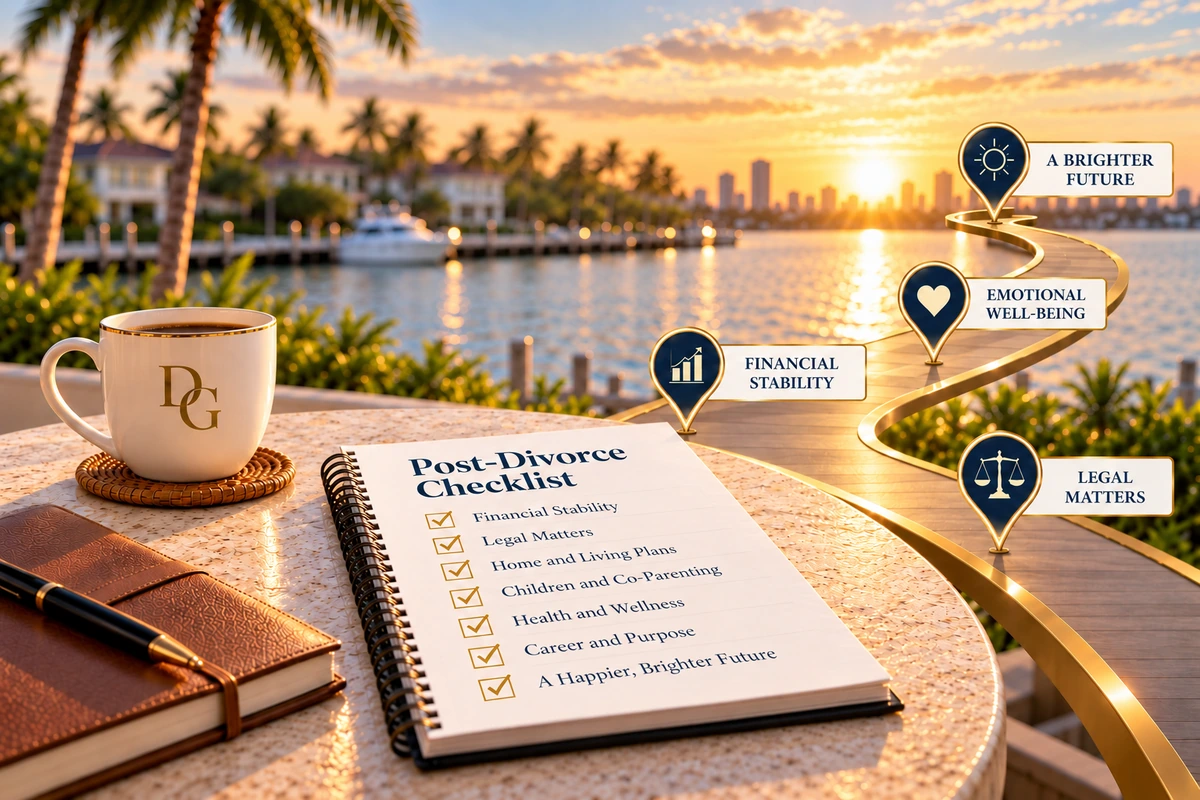
Your divorce is officially behind you. Now what? It's time to tackle your post-divorce checklist.
Even after your divorce is final, figuring out what comes next can feel overwhelming.
Our goal here is to help you navigate this transition with greater clarity and confidence.
We'll walk through the important financial, legal, and personal tasks that can help you start your next chapter on solid ground.
Let's dive into your post-divorce checklist and take the next step toward a brighter future.
Ready?
Understanding Post-Divorce Transition
What should you do after divorce, and why do you need a post-divorce checklist?
For starters, your financial responsibilities don't necessarily end when your divorce becomes final.
Think of this transition as a long-distance trip through unfamiliar territory. You're behind the wheel, traveling from point A to point B without knowing every turn along the way.
Wouldn't you want a reliable roadmap to help you avoid unnecessary detours?
That's where your post-divorce checklist comes in. It's your roadmap, helping you identify important milestones and navigate financial decisions, from adjusting your budget to following through on property division and building financial independence.
A well-organized checklist can also help you avoid costly mistakes and keep important tasks from slipping through the cracks.
______
But this journey isn't just about money. It's also about rebuilding your confidence, one step at a time.
And yes, even small accomplishments deserve to be celebrated.
Another critical point: staying focused and following through on important tasks can help you build a more secure financial future.
And before you hit the road, let's look at the three key landmarks on your post-divorce roadmap.
What are they?
Legal and Financial Considerations
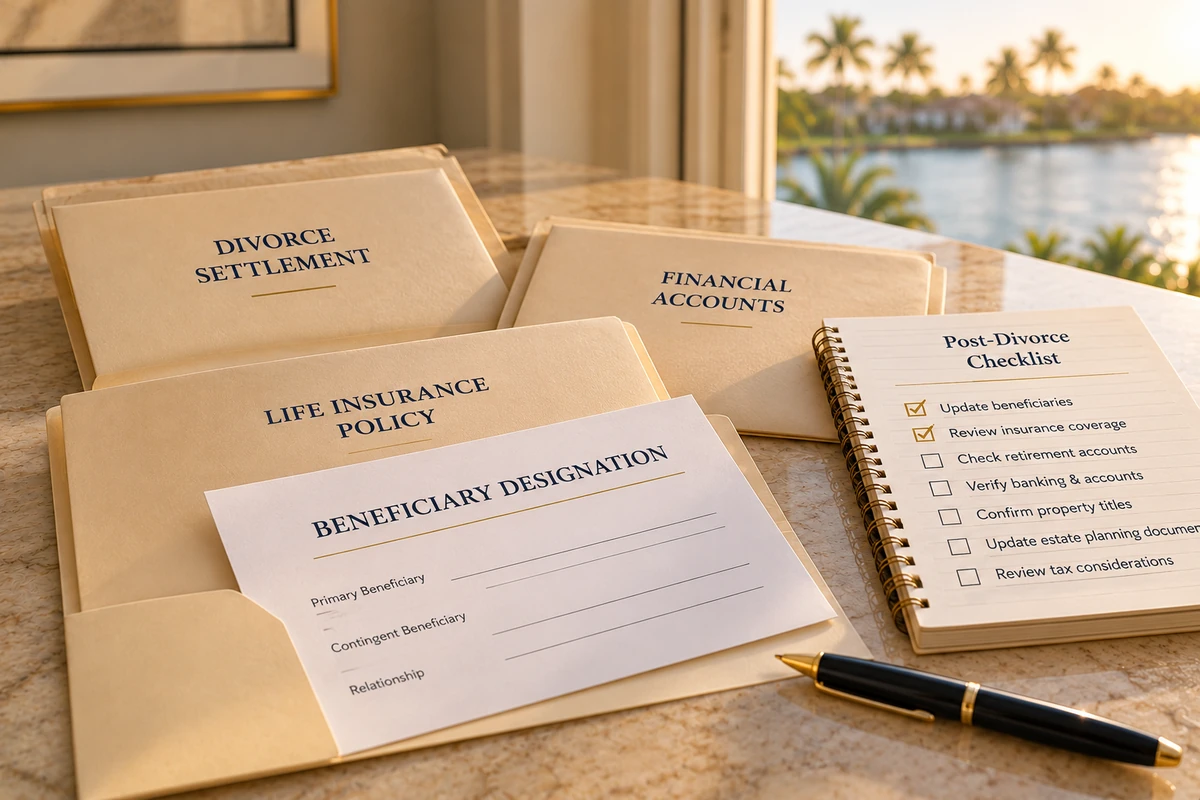
Legal and financial responsibilities are among the most important landmarks on your post-divorce roadmap.
A clear plan can help you protect your rights, assets, and financial stability. For example, you may need to follow through on your divorce settlement or court orders involving parenting arrangements, alimony, and property division.
But what if you don’t have a post divorce checklist and important details slip through the cracks?
Well, some oversights can have serious financial consequences, and as a result, you can easily make costly mistakes.
Imagine you finalized your divorce but never reviewed the beneficiaries on your life insurance policy or retirement accounts.
You assume your divorce took care of everything. But did it?
Florida law generally revokes certain beneficiary designations in favor of a former spouse after divorce. However, exceptions apply, and federal law may control some retirement plans.
The lesson? Don't leave something this important to chance. Review your beneficiary designations and make sure they reflect your wishes.
Learn more about alimony insurance and how to protect your money.
This example shows why reviewing financial details after divorce matters. A financial professional experienced in divorce can help you review your accounts, insurance coverage, and financial priorities. For questions about your settlement or legal obligations, consult your attorney.
A LITTLE GUIDANCE CAN MAKE A DIFFERENCE
You Don’t Have to Navigate This Alone
Explore how Divorced Gals can help you find clarity and confidence with the financial decisions that come next.

What Is The Financial Checklist After Divorce?
How long does it take to recover financially after divorce?
There's no single answer. Your financial situation, settlement terms, and the decisions you make next all play a role.
Divorce often brings major financial changes. Ideally, you should prepare for those changes before your settlement is final. But even if your divorce is already behind you, there's still plenty you can do to get your finances organized.
Your post-divorce financial checklist can help you organize the tasks ahead. Start with these seven areas, and remember that your priorities will depend on your personal circumstances.
SEVEN AREAS TO REVIEW
Your Post-Divorce Financial Checklist

Assets and Investments
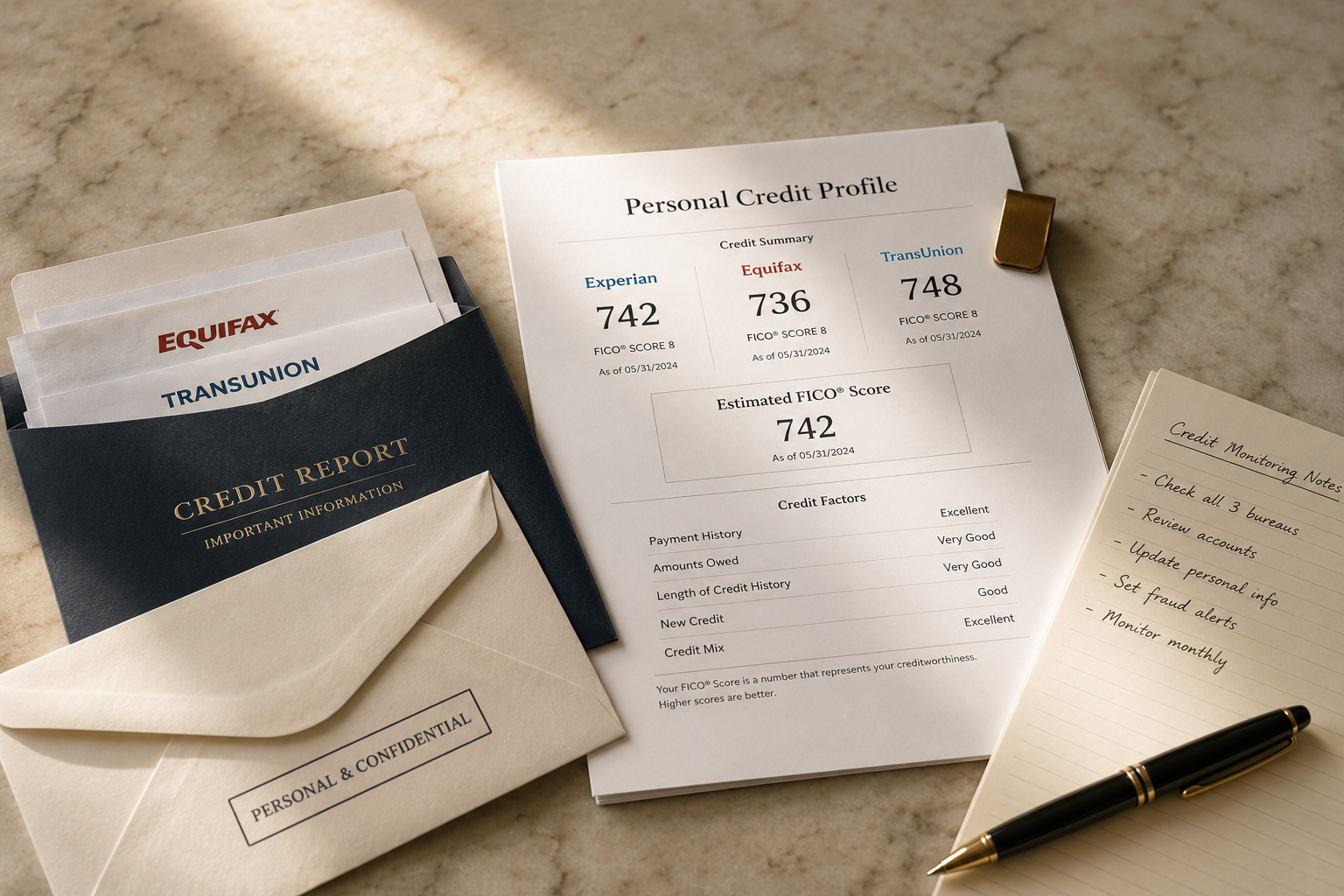
Credit and Debt

Retirement Accounts
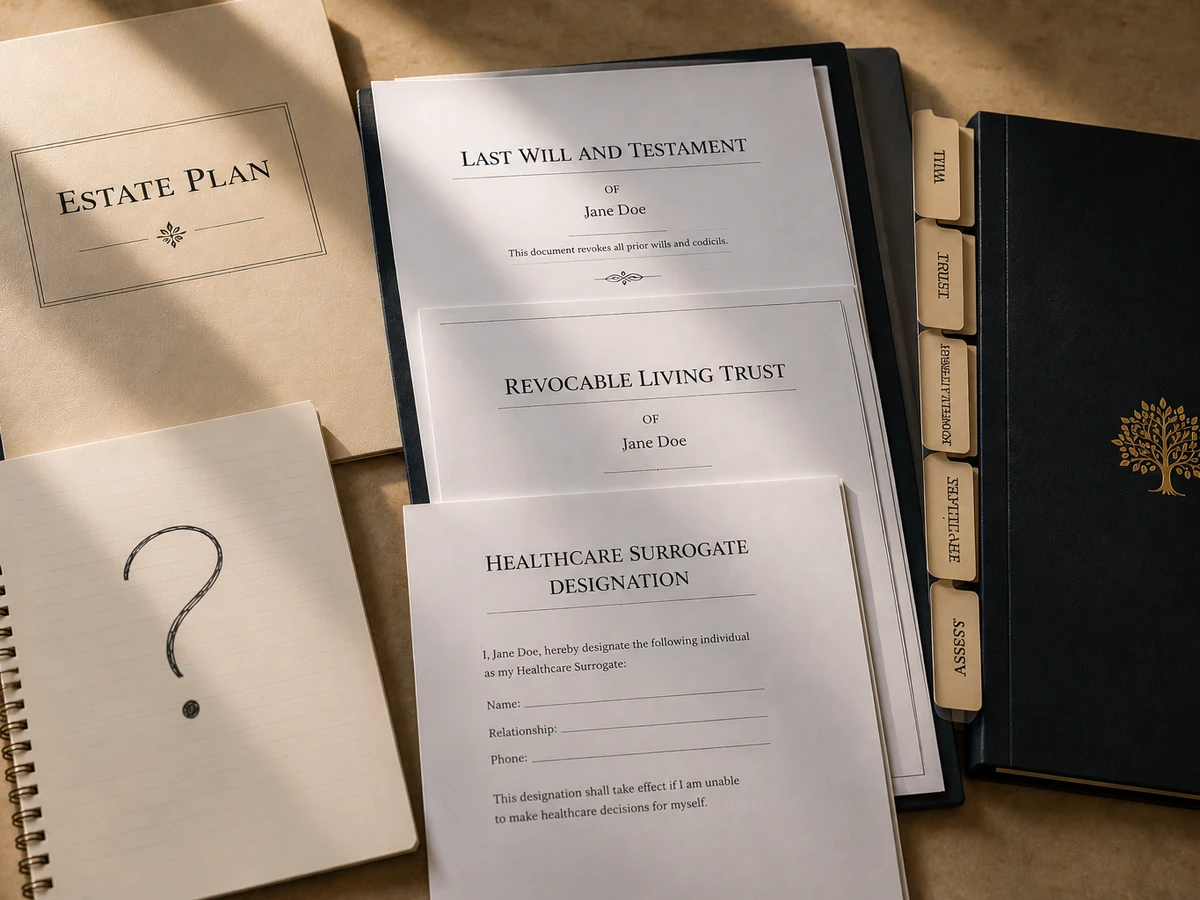
Estate Planning

Insurance
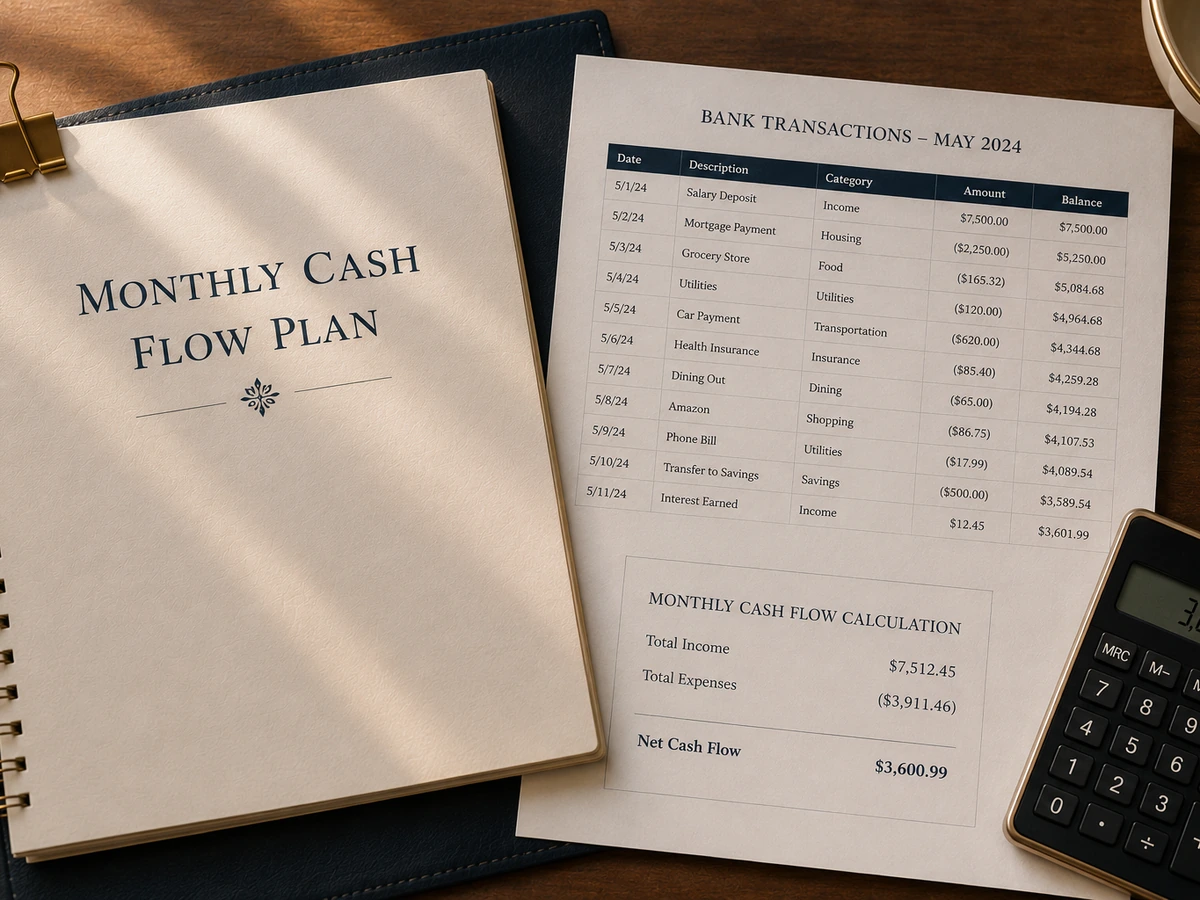
Cash Flow Planning
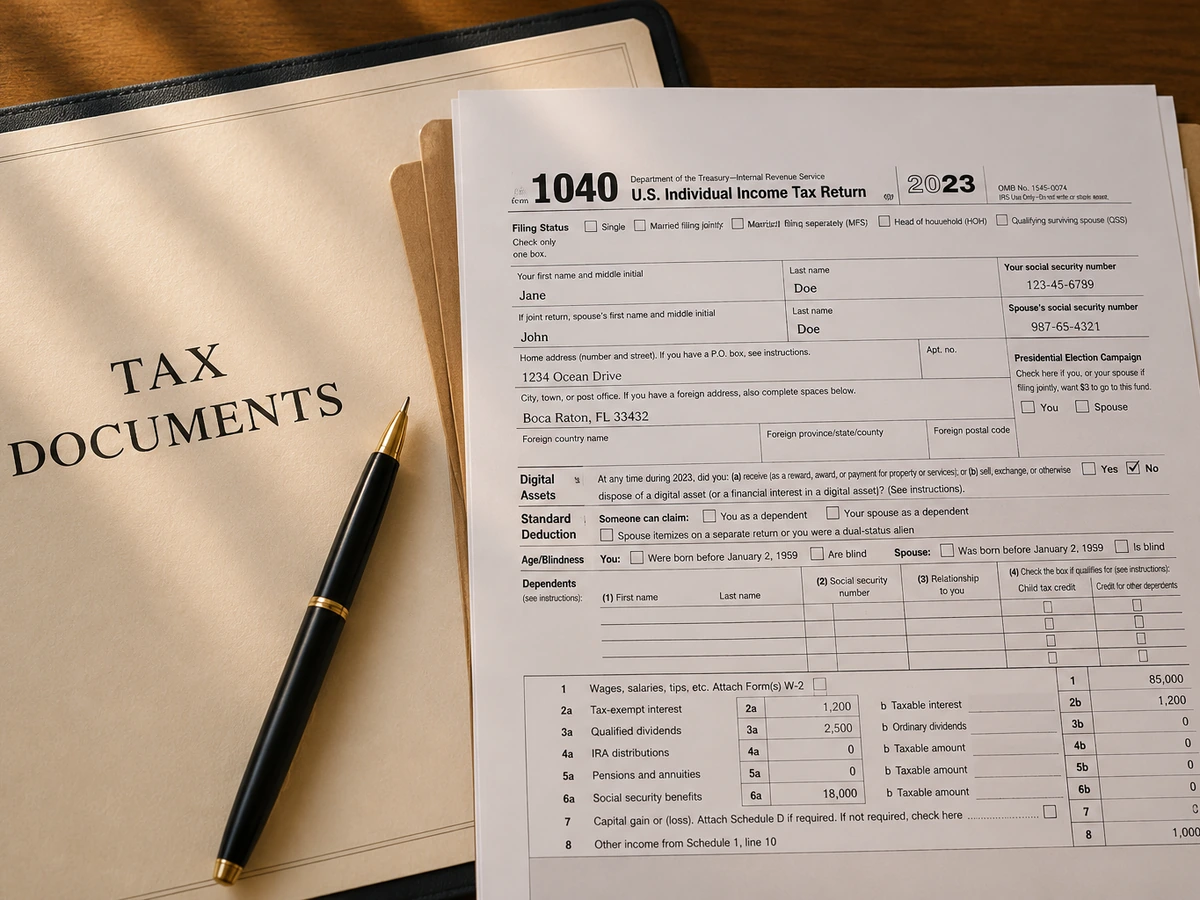
Taxes
Some financial oversights can lead to disputes or additional legal expenses after divorce. While not every issue requires a return to court, a careful review now can help you avoid unnecessary complications later.
The next landmark?
Custody and Co-Parenting

Do you have kids?
If you do, you know that divorce doesn't change how much you love them or want the best for them.
But figuring out how to raise your children across two households?
Co-parenting after divorce isn't always easy. Even simple decisions about school schedules, holidays, or everyday routines can become complicated.
You and your ex may not agree on everything. And that's okay. What matters is finding a way forward that gives your children the love, stability, and support they need.
Of course, good communication, cooperation, and a little flexibility can make a real difference. When children know what to expect and feel supported in both homes, they have a better sense of stability.
And the last thing you want is for your children to get caught in the middle of disagreements.
Staying involved in decisions about your children's education, healthcare, and everyday needs can make a real difference. Your continued support can help them feel secure as they adjust to life after divorce.
Psychologist Ann Gold Buscho, Ph.D., explains that successful co-parenting can support children's relationships, emotional well-being, and ability to cope with challenges. Her tips for successful co-parenting after divorce offer practical guidance for parents.
So, prioritizing custody and co-parenting helps your children become emotionally healthy and resilient adults. It will also help you navigate post divorce challenges while providing your children a healthy and supportive environment.
But!
There is more work ahead.
Emotional Healing

You just went through hell. The wounds may still be fresh, but life doesn't stand still after divorce.
And some days, moving forward may feel harder than others. There may be anger, sadness, or moments when you barely recognize yourself.
Emotional healing takes time. So does rebuilding your confidence and figuring out what you want from life now.
So, what can help?
For some women, it's talking with a therapist. For others, it's finding a support group, reconnecting with friends, or simply having someone who listens without judgment.
You don't have to figure everything out alone. Sometimes, having the right people around you makes all the difference.
And somewhere along the way, you may start asking yourself a different question: Who do I want to become after divorce?
Remember that anger, resentment, and grief don't always disappear when the divorce papers are signed. Sometimes, those feelings stay with us longer than we expect and can affect how we approach future relationships.
For example, consider a person who has recently gone through a divorce. If they don’t prioritize emotional healing, they may carry unresolved emotions—anger, resentment, or grief, into their future relationships.
In turn, a person might develop post divorce depression, which can lead to a complete cycle of negative patterns:
The good news? Giving yourself time to heal can help you become emotionally resilient. Over time, you may find it easier to build healthier relationships, make decisions with confidence, and look toward the future with more optimism.
Maybe you're having trouble trusting people again. Or perhaps you're still carrying feelings that make it difficult to open up to someone new.
If that's where you are, post-divorce counseling can be a valuable source of support. Read more about strategies to help you cope during and after a divorce.
Now, let's turn to the practical steps on your post-divorce checklist.
YOUR NEXT CHAPTER
A Fresh Start.
On Your Terms.
Your divorce is final. Now it's time to focus on the life ahead—with clarity, confidence, and a fresh perspective.

YOUR POST-DIVORCE CHECKLIST
Seven Steps for Your Next Chapter
Final Thoughts...
Your life after divorce is uniquely yours. And while no post-divorce checklist can cover every situation, having a plan can help you feel more prepared—legally, financially, and emotionally.
You've already been through a lot. The last thing you need is an overlooked document, an unfinished financial task, or an unexpected expense creating another headache.
That's why staying organized matters. So does understanding your financial options and knowing when to seek professional guidance.
Remember, you don't have to tackle everything at once. Start with what matters most, take one step at a time, and give yourself credit for the progress you make.
Your post-divorce checklist is more than a list of things to do. It's a starting point for building the life you want.
Your divorce may be settled. But the life you build from here?
That's yours.
Barry Giske
About the Author, Barry Giske
For Barry, it all started by accident...
Before the divorce advisory business, Barry worked hands-on in five critical areas: TITLE, MORTGAGE, REAL ESTATE, WEALTH MANAGEMENT, and INSURANCE. One day, his wealth management client--a family law attorney--asked Barry to talk to one of his divorce clients. She worries about future income, mortgage refinancing, re-titling her real estate properties, and insurance planning. Those are the areas where most divorcees face costly pitfalls. And this was where all of Barry's experience came into play.